
Look, I know why you’re here. You’re playing the ultimate optimization game: traffic arbitrage. You’re running an info blog, maybe monetized by display ads, and your entire existence rests on one razor-thin margin: buying clicks cheaper than you can sell ad impressions.
We’re talking about the Holy Grail of paid media – US traffic at an almost unbelievable $0.04 CPC.
Forget everything you know about traditional conversion metrics. In arbitrage, volume and cost efficiency are the only currencies that matter. But let’s be real: hitting four cents in the US market is brutal. It usually means wading through swamps of low-intent clicks, accidental taps, and bot traffic. Or does it?
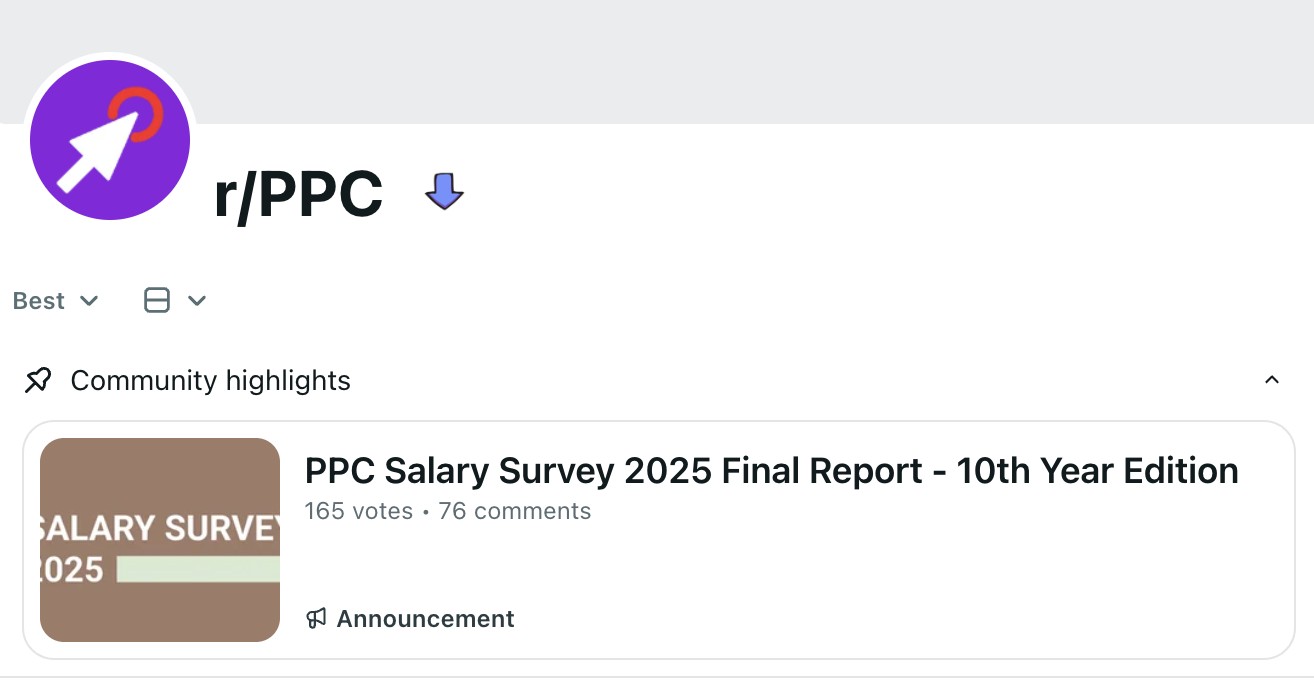
I dug deep into the trenches of the PPC community, specifically, a recent, highly active Reddit thread where true professionals spilled their secrets on achieving this aggressive cost goal. The community sentiment was pragmatic, offering enthusiasm for cheap sources but tempered by strong warnings about quality.
Here’s the unfiltered, battle-tested strategy for buying US traffic at prices your competitors think are impossible.
The Iron Rule of Arbitrage: What You Gain in Cheapness, You Lose in Intent
Before we dive into the platforms, you need to internalize the core trade-off. This isn’t about finding hot leads; this is about finding high volume.
Community members consistently noted a hard truth: What is gained in cheapness is directly lost in traffic quality and intent. If you’re paying $0.04, you are buying volume, not conversions. You are selling impressions, not products.
This shift in focus is mandatory. Our focus shifts from optimizing the user journey to maximizing click volume and minimizing accidental waste.
Hacking the Native Ad Giants: Outbrain and Taboola
If you want the fastest route to high-volume, extremely cheap clicks, the answer remains the same as it was five years ago: native advertising platforms.
The reason is simple: Native ad platforms, specifically Outbrain and Taboola, are confirmed sources for clicks in the desired $0.04–$0.10 US CPC range. The /r/PPC subreddit was unanimous on this: native platforms are the easiest way to hit this cost barrier because they monetize publisher inventory that often goes unwanted by high-intent advertisers.
The Quality Warning: Bored Browsers and Doom-Scrollers
The thread was clear about the type of traffic you’re getting. You are mostly reaching users on mobile who are bored, mindlessly clicking headlines while consuming low-tier content.
Expertise Insight: The quality of cheap clicks from native ads is extremely low, consisting of “bored mobile browsers and doom-scrollers.” The good news? The traffic is generally deemed ‘legit’ human traffic, not bots, but it has extremely low intent.
Essential Mitigation: Frequency Caps and Placement Exclusions
To prevent your budget from being wasted on accidental taps and repeated low-value users, you must be a ruthless optimizer.
Community strategists repeatedly emphasized that to mitigate waste, users must employ tight frequency caps and avoid bottom-tier app placements. This is non-negotiable for maximizing ROI in the arbitrage game. You must systematically exclude placements especially apps and low-quality sites that generate mass amounts of accidental, worthless clicks.

Leveraging Google and Microsoft for Arbitrage Volume
We often think of Google Ads as the most expensive platform, but if you know where to look, you can sneak past the big spenders and grab high-volume inventory on the cheap.
1. The Google Demand Gen Secret
Google Ads’ new Demand Gen Campaign type provides a unique opening. One user detailed how setting Google Ads’ Demand Gen Campaign to target clicks at a 4-cent CPC is achievable, though it requires about a week to ramp up and train the algorithm. This campaign type accesses inventory across YouTube, Discover, and Gmail, often at lower costs than traditional display or search, making it a key competitor in the low-cost volume game.
2. Microsoft Ads’ Low-Competition Strategy
Don’t sleep on Microsoft Ads (Bing). Running broad search campaigns on Microsoft Ads using low-competition keywords is still a viable strategy for capturing cheap, albeit small-scale, US traffic. While the volume won’t match native platforms, the intent is slightly higher since they are search clicks, and the cost efficiency can easily undercut Google’s search network.
Social Media Arbitrage: Beyond the Feed
When we think social ads, we usually think high cost and aggressive bidding. But there are ways to push the boundaries and get underpriced traffic.
Facebook and Meta Platforms
While highly competitive, Facebook Advantage Plus and Max Click bidding remain competitive options for obtaining low-cost visitors. However, accessing the 4-cent range on Meta requires exceptional optimization because their CPCs are driven by auction competitiveness.
The Creative Lever on Social
This is where social arbitrage differentiates itself. Achieving the lowest CPC on platforms like Facebook depends heavily on highly effective and optimized creative assets. Your ad must be so compelling that it drives click-through rates (CTR) through the roof, signaling to the algorithm that your ad provides value, thereby lowering your effective CPC.
TikTok and YouTube Volume
TikTok was specifically recommended by users as a platform with potential for cheap clicks, largely targeting the same mobile, low-intent audience found on native platforms. Similarly, YouTube ads were suggested as a surprisingly cheap source for specific click inventory, especially when leveraging bumper ads or lower-tier placements that major branding clients tend to avoid.
Community Insights: A Look Inside the PPC Arbitrage Mindset
This analysis wasn’t based on theory; it was built on 24 comments of real-world experience from the trenches of /r/PPC.
The overall takeaway provided by the community underscores the fact that marketing to traffic arbitrage users requires shifting focus from conversion metrics to volume and cost efficiency. The shared experience highlights a few critical points:
- Speed and Scale: Arbitrage users value platforms that emphasize speed and scale. Platforms that can quickly deliver high-volume, low-intent traffic are key competitors.
- Control is King: The platforms should explicitly market features like granular placement exclusion and tight frequency capping, as these are essential tools for minimizing accidental taps and maximizing margin.
- The Intent Gap: The biggest hurdle acknowledged by everyone involved is the colossal gap between a $0.04 click and a user who actually engages with the content meaningfully enough to generate revenue.
Conclusion: Your $0.04 Arbitrage Blueprint
Achieving ultra-cheap US traffic isn’t a myth, but it comes with rigorous requirements. You must be willing to accept low-quality traffic, and your entire monetization structure must be designed to profit from passive impression loading, not active user engagement.
- Start with Native: Use Outbrain and Taboola for immediate, high-volume access to the $0.04–$0.10 range.
- Mitigate Waste: Implement surgical placement exclusions (especially low-quality apps) and apply tight frequency caps.
- Test Demand Gen: Leverage Google’s Demand Gen campaigns for surprising cost efficiencies in their less-competitive networks.
- Optimize Creatives: If you use social platforms like Facebook or TikTok, your CTR must be exceptional to keep costs down.
Go forth and optimize. But remember: your margin is your entire business. Treat every penny like gold, because in the arbitrage game, four cents makes or breaks your bottom line.